
Professional OEM Hair Clipper Industry Blog
-1024x405.png)
Introduction
One of the most common complaints from users is:
“Why is my hair clipper pulling hair instead of cutting smoothly?”
Whether for home users or professional barbers, hair pulling immediately creates a poor hair clipper cutting performance. It can cause discomfort, uneven cutting results, customer complaints, negative reviews, and even high product return rates.
For brands, importers, and OEM buyers, this issue is especially important because it directly affects customer satisfaction and long-term brand reputation.
The good news is that hair pulling is usually preventable.
In most cases, the problem comes from a combination of:
- Poor blade sharpness
- Weak motor torque
- Unstable cutting systems
- Low-quality guide comb design
- Improper maintenance
- Inconsistent assembly precision
Understanding these factors is essential when selecting or developing a reliable hair clipper.
In this article, we’ll explain the most common reasons why hair clippers pull hair, how professional manufacturers reduce these issues, and what buyers should pay attention to before choosing a product.
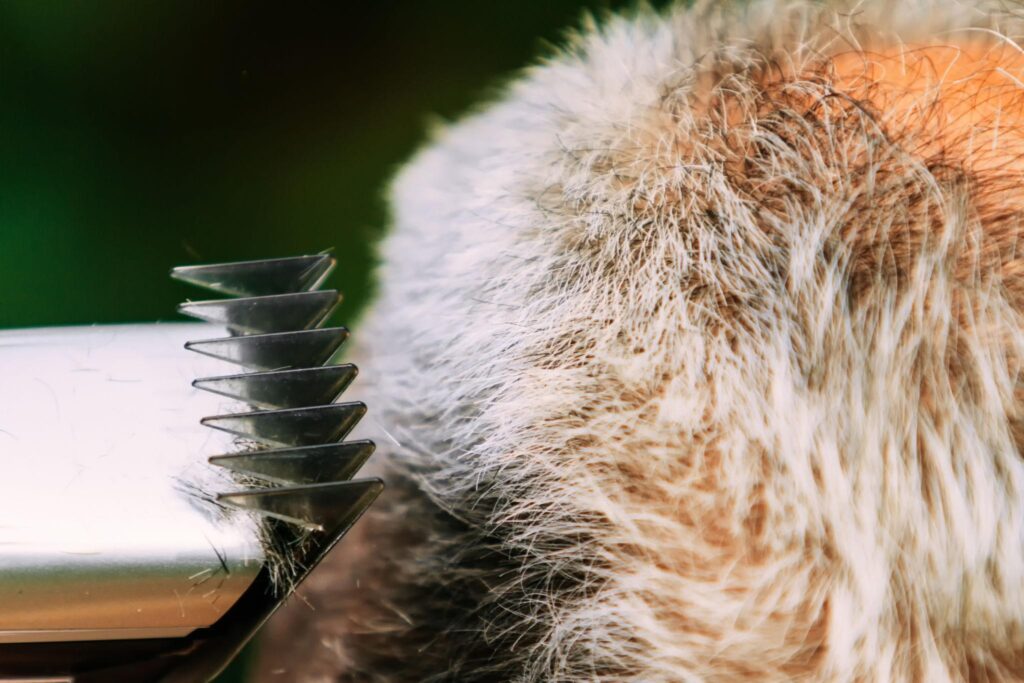
What Happens When a Clipper Pulls Hair?
A properly designed clipper should:
- Cut hair instantly
- Move smoothly through hair
- Maintain stable blade movement
- Create minimal resistance
When a clipper begins pulling hair, it usually means the cutting system is losing efficiency.
Instead of cutting hair cleanly, the blade catches, bends, or traps hair strands before cutting them.
This issue is particularly noticeable on:
- Thick hair
- Curly hair
- Long hair
- Dense beard hair
- Wet hair
The Most Common Causes of Hair Pulling
1. Dull or Low-Quality Blades
The most common reason for clipper pulling hair is poor blade performance.
If the blade is not sharp enough, hair cannot be cut immediately. Instead, the blade drags or traps the hair during operation.
This creates:
- Hair snagging
- Uneven cutting
- Increased friction
- User discomfort
Why Blade Quality Matters
Many low-cost products focus heavily on appearance and RPM specifications, while blade quality receives less attention.
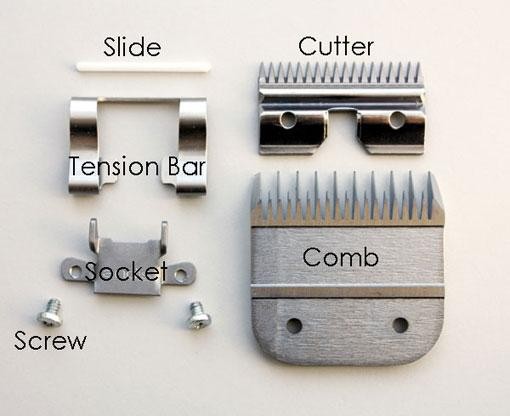
However, blade performance depends on several technical factors:
- Material hardness
- Grinding precision
- Surface smoothness
- Heat resistance
- Blade alignment accuracy
Even a blade that looks sharp visually may still create resistance if polishing precision is poor.
Common Blade Materials in Hair Clippers
Stainless Steel Blades
- Cost-effective
- Widely used
- Suitable for mass market products
Ceramic Blades
- Lower heat generation
- Smoother cutting
- Better long-term sharpness
Powder Metallurgy Blades
- Higher hardness
- Improved durability
- Often used in professional models
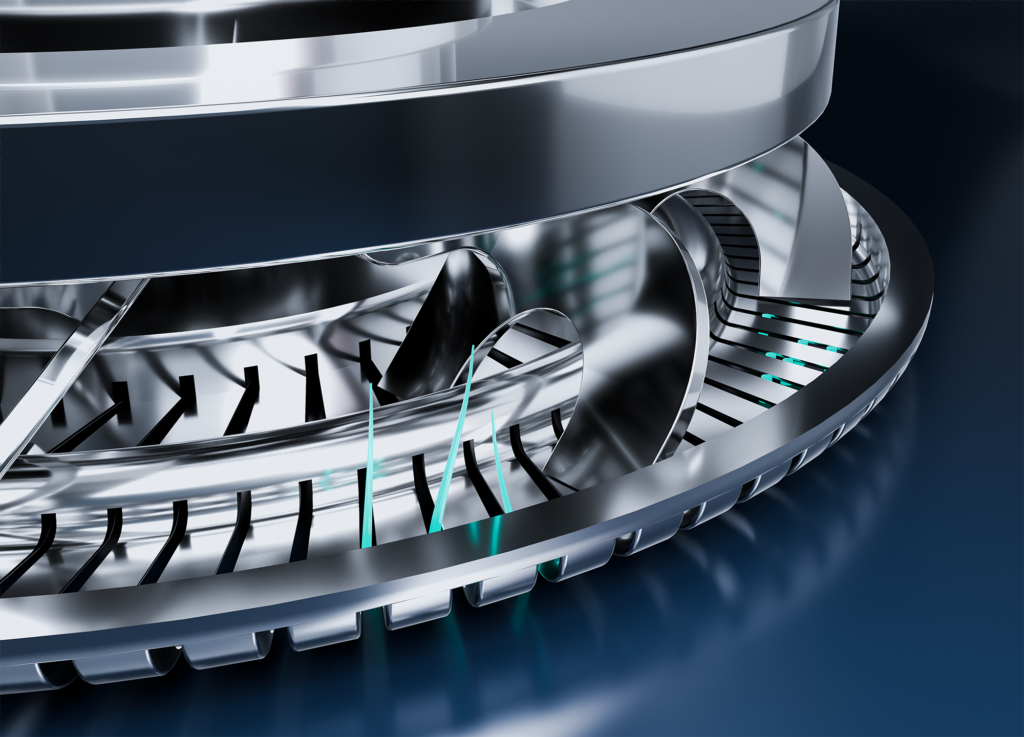
Professional manufacturers usually apply higher precision grinding technology to reduce friction and improve cutting smoothness.
2. Weak Motor Torque
Another major cause of clipper pulling hair is insufficient motor power.
Many buyers only focus on RPM (speed), but actual cutting performance depends more on torque stability during use.
A motor may appear powerful under no-load conditions, but once it encounters thick hair resistance, performance may drop significantly.
This causes:
- Slower blade movement
- Hair trapping
- Snagging
- Uneven cutting performance
RPM vs Torque: Why Higher Speed Is Not Always Better
Many suppliers advertise:
- 7000 RPM
- 9000 RPM
- 10,000 RPM
However:
High RPM alone does not guarantee smooth cutting.
RPM only describes blade speed.
Torque determines whether the motor can maintain stable cutting force under resistance.
Many low-cost clippers advertise 10,000 RPM motors, but without sufficient torque stability, high speed alone often increases hair snagging instead of improving cutting performance.
A clipper with:
- High RPM but weak torque
may still pull hair during real use.
Meanwhile:
- A balanced motor with stable torque
often provides smoother and more comfortable cutting.
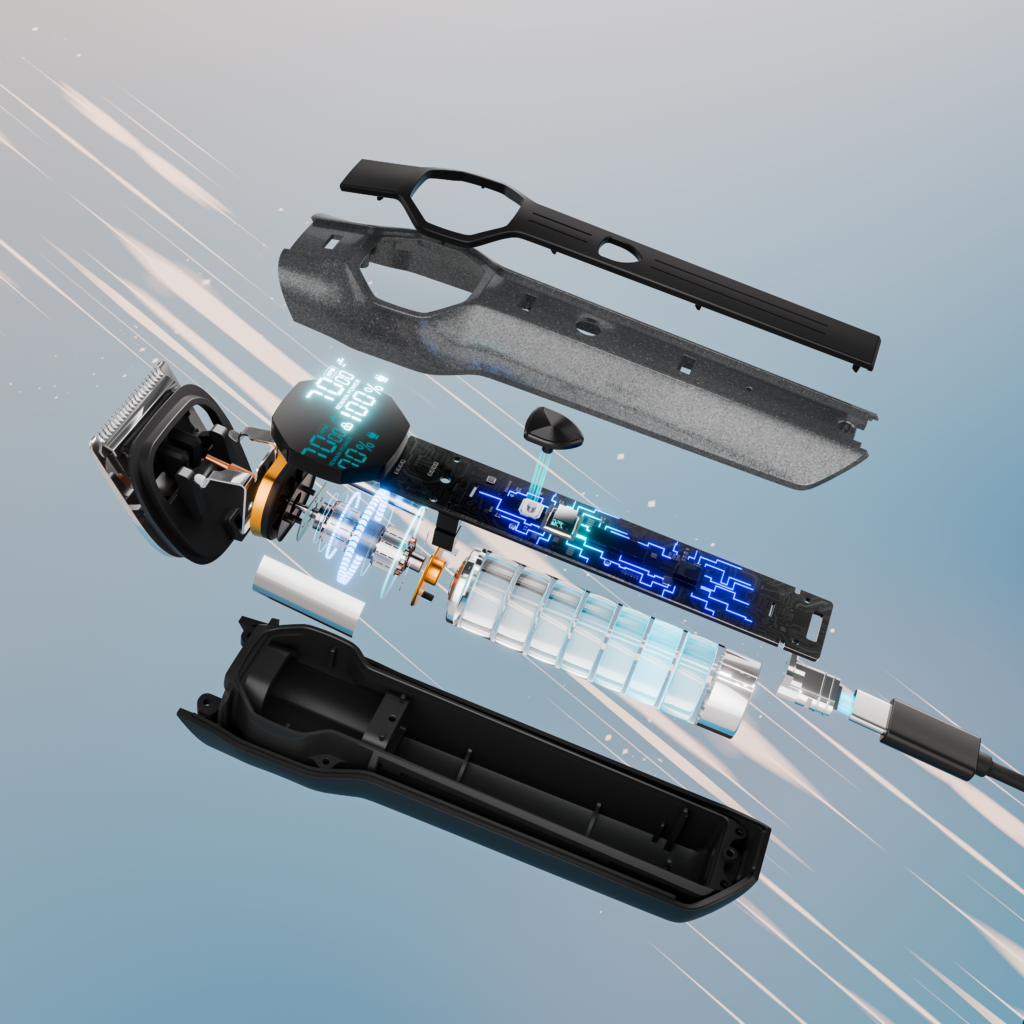
Typical Signs of Weak Motor Performance
Users often notice:
- Hair pulling during thick hair cutting
- Blade slowing under pressure
- Inconsistent cutting lines
- Increased vibration
- Motor overheating
These issues are especially common in low-cost entry-level products.
3. Poor Guide Comb Design
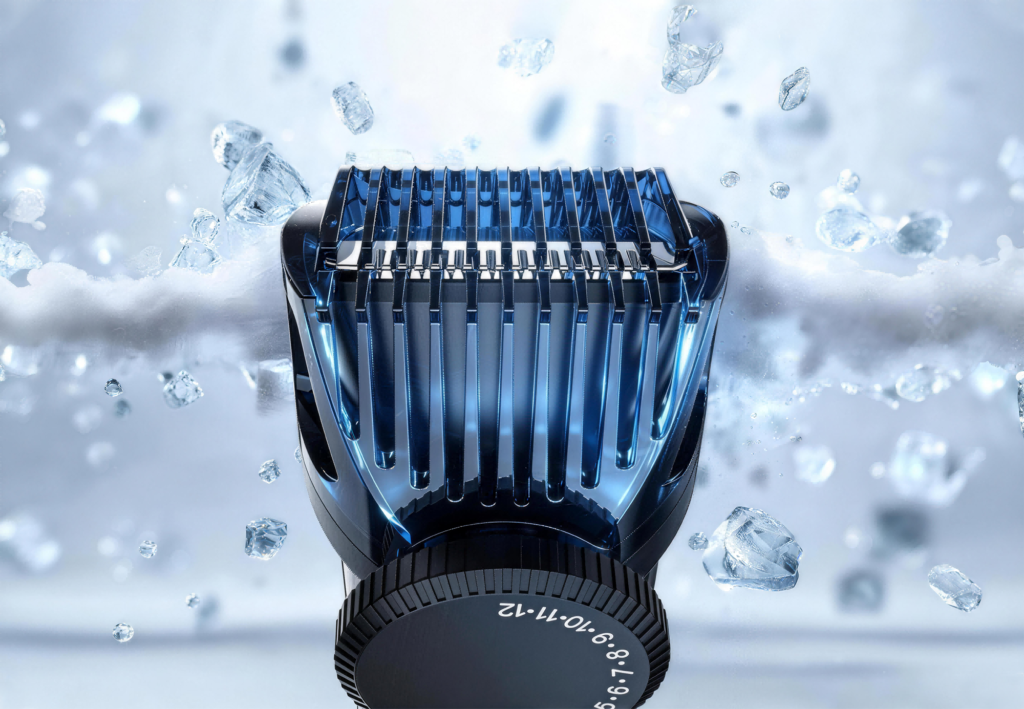
Guide combs (attachment combs or limit combs) are often overlooked, but they play a major role in cutting smoothness.
Even with a strong motor and sharp blade, poor guide comb structure can still cause hair snagging.
Common Problems with Low-Quality Guide Combs
| Problem | Result |
| Narrow teeth spacing | Hair gets trapped |
| Weak plastic material | Comb bends during use |
| Rough surface finishing | Increased friction |
| Loose installation | Unstable cutting angle |
Low-quality combs often fail when cutting longer or thicker hair.
Professional designs usually feature:
- Better tooth spacing
- Stronger plastic materials
- Smoother finishing
- More secure attachment systems
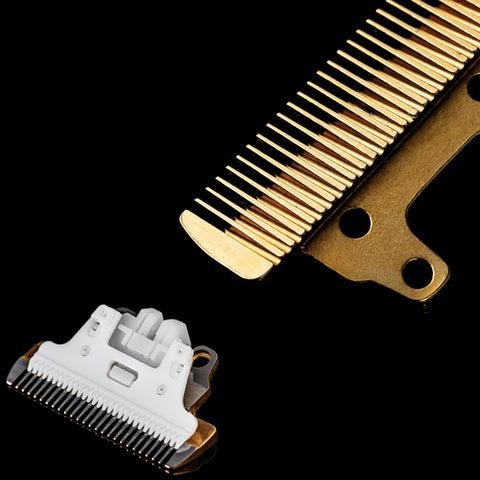
4. Blade Alignment Problems
Blade alignment directly affects cutting precision.
If the moving blade and fixed blade are not properly aligned:
- Hair enters unevenly
- Cutting force becomes unstable
- Pulling occurs more easily
This problem is common in:
- Poor assembly processes
- Low manufacturing precision
- Products damaged during transportation
Professional factories typically apply stricter assembly control and blade calibration during production.
5. Poor Battery Output Stability
Cordless hair clippers rely heavily on battery output stability.
As battery voltage decreases:
- Motor torque drops
- Blade movement weakens
- Cutting stability becomes inconsistent
This often causes users to experience hair pulling when battery levels become low.
Higher-quality products usually use:
- Better lithium battery cells
- Stable PCB systems
- Constant power output technology
These improvements help maintain stable cutting performance throughout battery usage.
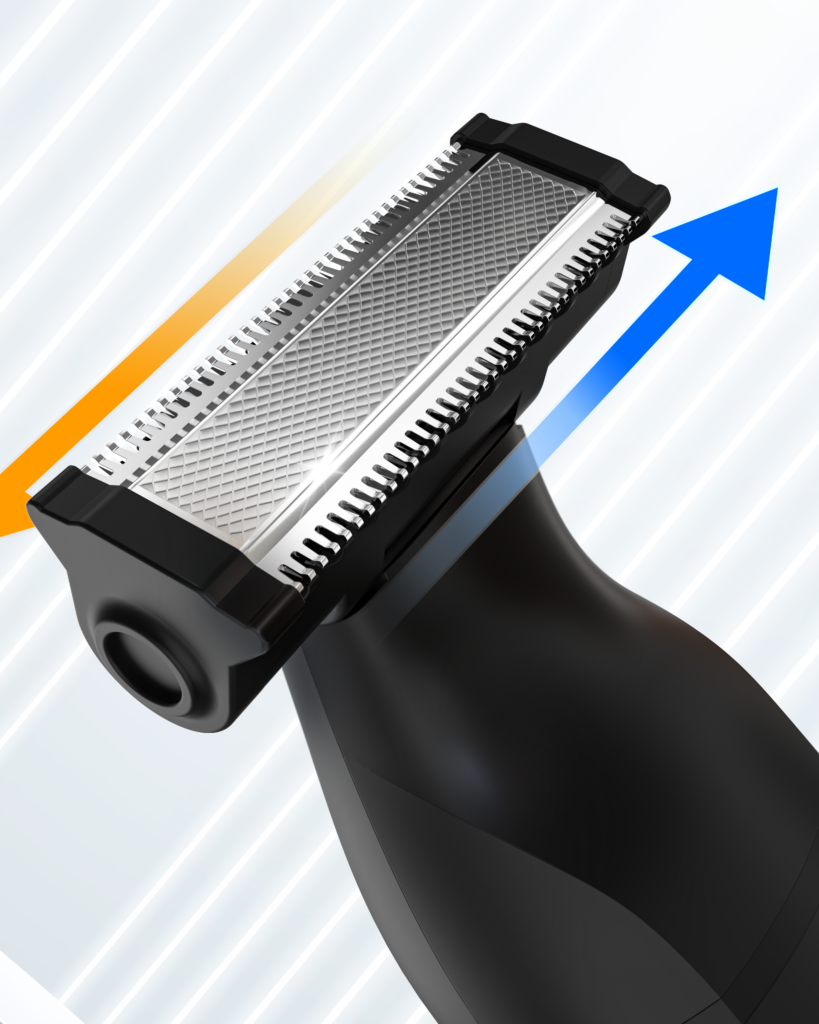
6. Lack of Maintenance
Even professional-grade clippers can begin pulling hair if maintenance is ignored.
Over time:
- Hair debris accumulates
- Lubrication decreases
- Friction increases
- Blade temperature rises
This reduces cutting efficiency significantly.
Simple Maintenance Can Prevent Hair Pulling
Users should:
- Clean blades regularly
- Apply lubricating oil
- Remove trapped hair
- Replace worn blades
- Avoid storing wet blades
Regular maintenance improves:
- Cutting smoothness
- Blade lifespan
- Motor efficiency
- User comfort
Why Cheap Clippers Often Create More Complaints
Many low-cost products prioritize:
- Appearance
- Packaging
- Marketing specifications
But internally, manufacturers may reduce costs by using:
- Weak motors
- Thin guide combs
- Low-precision blades
- Poor assembly control
Although these products may advertise high RPM numbers, real cutting performance is often unstable.
This leads to:
- Negative customer reviews
- High return rates
- Reduced customer trust
How Professional Manufacturers Reduce Hair Pulling Issues
In professional OEM projects, reducing hair pulling is usually achieved through complete cutting system optimization.
This includes:
- Precision blade grinding
- Higher torque motor tuning
- Stable battery output systems
- Improved guide comb structure
- Strict assembly accuracy control
- Product testing on different hair types
In many OEM development projects, improving blade precision and motor stability significantly reduces customer complaints related to hair snagging and uneven cutting.
What Buyers Should Focus On When Choosing a Hair Clipper
Instead of focusing only on RPM numbers, buyers should evaluate the complete cutting system.
Key factors include:
✔ Blade sharpness and material
✔ Motor torque stability
✔ Guide comb quality
✔ Battery output consistency
✔ Assembly precision
✔ Heat and vibration control
✔ Long-term durability testing
A balanced system always performs better than a product that only emphasizes speed specifications.
Final Thoughts
Hair pulling is one of the fastest ways to damage user experience and reduce customer satisfaction.
In most cases, the problem is not caused by a single factor, but by a combination of:
- Poor blade quality
- Weak motor torque
- Low-quality guide combs
- Unstable battery output
- Poor assembly precision
- Lack of maintenance
For brands and OEM buyers, understanding these issues is essential for developing products that provide smoother cutting performance, lower return rates, and better long-term customer satisfaction.
Looking for Better Cutting Performance?
How Professional Manufacturers Reduce Hair Pulling Issues
Professional manufacturers usually improve cutting performance through:
- Higher precision blade grinding
- Better motor torque stability
- Improved guide comb structures
- Consistent assembly accuracy
- Cutting performance testing on different hair types
Whether you are developing an entry-level clipper for e-commerce or a professional barber model, choosing the right cutting system can greatly improve user experience and reduce customer complaints.