
A Complete Guide from a China Hair Clipper Manufacturer
In today’s rapidly growing personal grooming market, hair clippers have become essential products for professional barbers, salons, retailers, and personal care brands worldwide. However, producing a high-quality hair clipper involves much more than simply assembling components together.
Behind every professional hair clipper is a complete manufacturing process that combines industrial design, engineering development, precision manufacturing, electronic technology, and strict quality control.
For brands, distributors, and retailers looking for a reliable hair clipper manufacturer, understanding how professional clippers are developed and produced can help them choose the right manufacturing partner and build competitive products for their target markets.
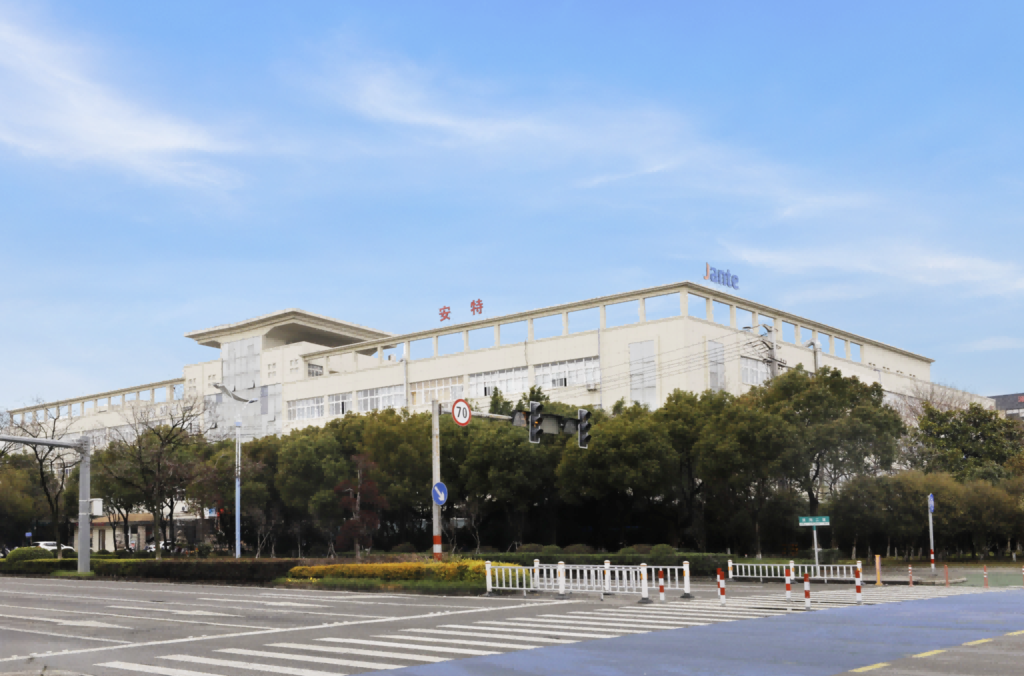
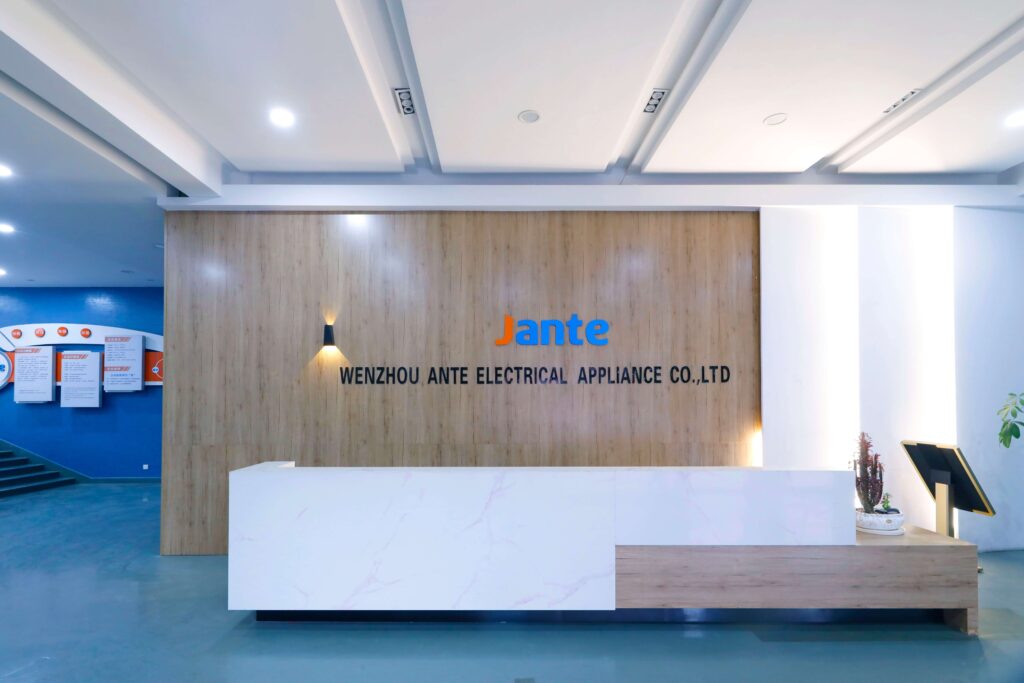
As an experienced OEM and ODM hair clipper manufacturer in China, JANTE specializes in developing and manufacturing professional grooming appliances, including hair clippers, hair trimmers, and cordless grooming products. From initial product concepts and mold development to mass production and global shipment, we provide complete manufacturing solutions for international brands.
In this article, we will explain the complete hair clipper manufacturing process, from design to final production.
1. Product Concept and Market Research
Every successful hair clipper project starts with a clear product concept and market positioning.
Before development begins, brands and manufacturers need to define important factors such as:
- Target customers
- Market positioning
- Product functions
- Price range
- Design style
- Performance requirements
For an OEM hair clipper manufacturer, the development process usually begins with the customer’s product idea, specifications, or design requirements. The engineering team then transforms these concepts into a practical and manufacturable product.
For brands that need faster market entry, working with an ODM hair clipper manufacturer can be a more efficient solution. ODM manufacturers usually have existing product platforms that can be customized with:
- Logo
- Color
- Packaging
- Accessories
- User manual
This allows brands to launch products faster while reducing initial development investment.
2. Industrial Design and Engineering Development
After confirming the product concept, professional engineers begin the product development stage.
A good hair clipper design must balance:
- Appearance
- Ergonomics
- Cutting performance
- Durability
- Manufacturing efficiency
During this stage, engineers develop detailed 3D models and evaluate the internal structure, including:
- Motor position
- Battery layout
- PCB installation
- Blade structure
- Heat dissipation system
For brands looking for a custom hair clipper manufacturer, strong engineering capability is essential because product design directly affects user experience and market competitiveness.
Before mass production, prototypes are created for testing and improvement.
Prototype testing helps identify potential issues such as:
- Excessive vibration
- High noise level
- Poor cutting performance
- Battery problems
- Assembly difficulties
This process ensures the final product meets both technical requirements and customer expectations.
3. Mold Development and Injection Molding
The housing is one of the most important visible parts of a hair clipper. Its appearance, strength, and precision directly influence product quality.
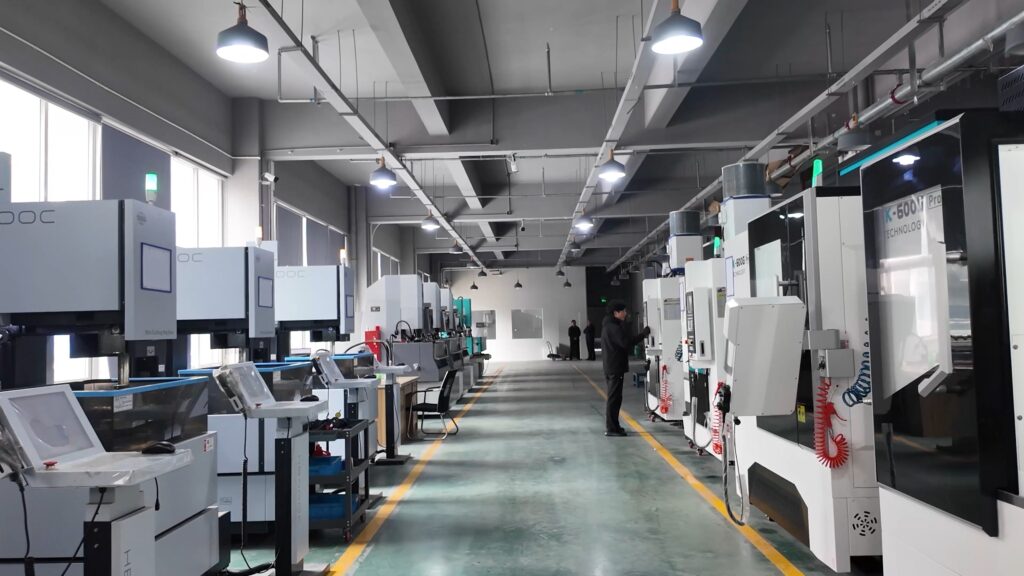
A professional hair clipper factory needs strong mold development capabilities to support customized products.
The mold development process includes:
- Product structure analysis
- Mold design
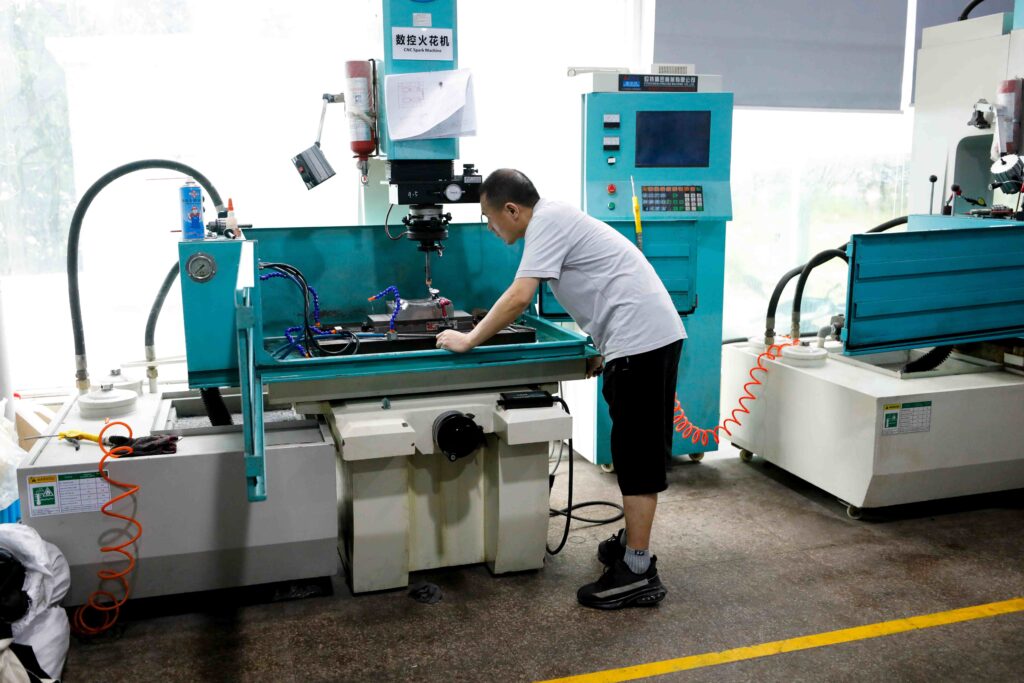
- CNC machining
- Mold testing
- Sample approval
- Mass production preparation
After mold approval, plastic components are produced through injection molding.
At JANTE, we utilize advanced injection molding equipment and professional production management systems to ensure:
- Stable dimensions
- Consistent appearance
- Efficient production capacity
- Reliable product quality
For OEM projects, customized molds allow brands to create unique product designs and strengthen their market differentiation.
4. Motor Selection and Electronic System Assembly
The motor is one of the core components that determines hair clipper performance.
Many buyers focus only on RPM, but a professional hair clipper requires more than high speed. Stable torque output, low vibration, noise control, and long-term reliability are equally important.
During development, manufacturers evaluate:
- Motor speed
- Torque performance
- Energy efficiency
- Noise level
- Heat generation
For a cordless hair clipper manufacturer, battery and electronic systems are also critical.
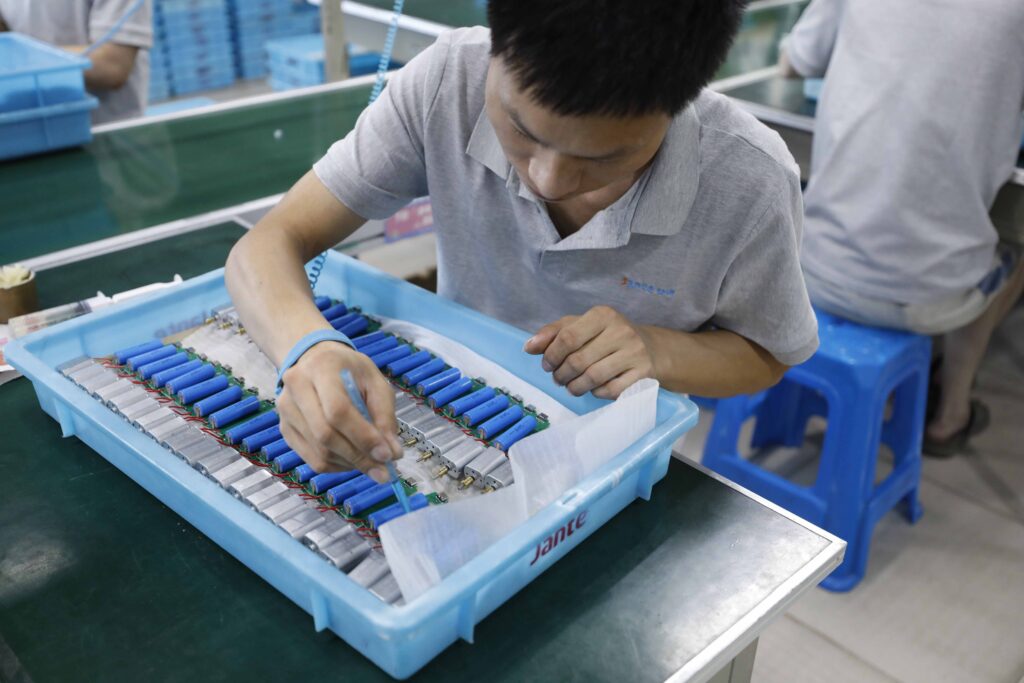
The electronic production process includes:
- PCB assembly
- Battery installation
- Charging system testing
- Electrical safety inspection
With SMT production capabilities, experienced manufacturers can ensure stable electronic performance and support advanced grooming product development.
5. Blade Manufacturing and Cutting Performance
The blade system directly affects cutting efficiency and user experience.
A professional hair clipper requires blades with:
- High precision
- Sharp cutting ability
- Smooth movement
- Long service life
During manufacturing, engineers control:
- Blade material selection
- Grinding accuracy
- Surface treatment
- Blade alignment
Different markets may require different blade solutions.
For example:
Stainless steel blades
- Excellent durability
- Cost-effective
- Suitable for mass-market products
Ceramic blades
- Lower heat generation
- Premium cutting experience
- Suitable for high-end grooming products
A professional hair trimmer manufacturer should provide different blade solutions based on product positioning and customer requirements.
6. Hair Clipper Assembly Process
After all components are prepared, the product enters the assembly stage.
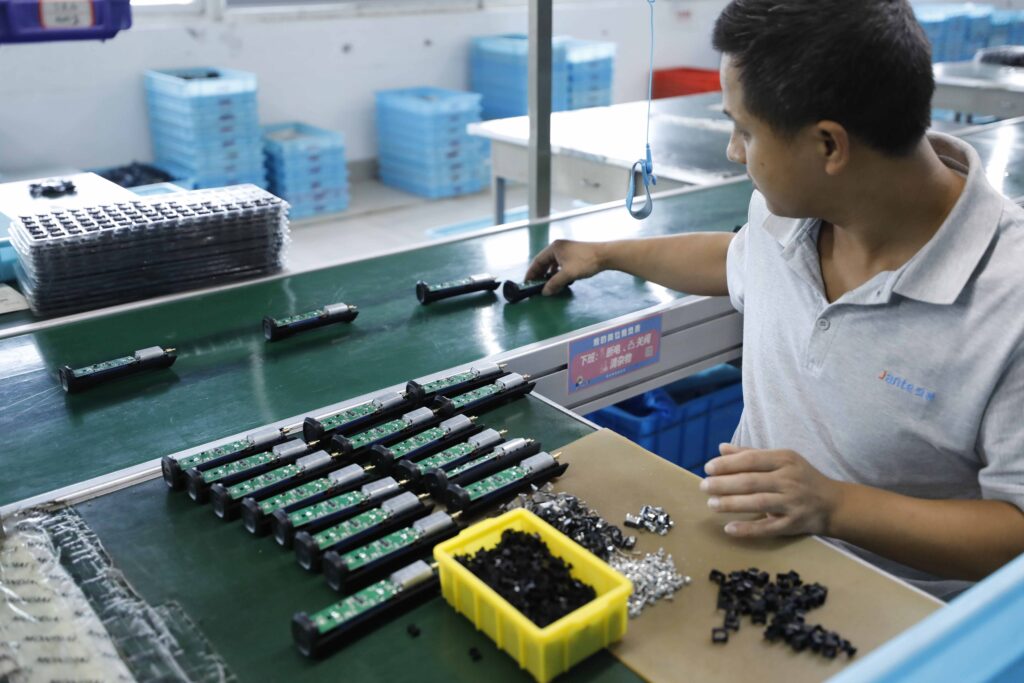
A typical hair clipper production process includes:
- Motor installation
- PCB connection
- Battery installation
- Housing assembly
- Blade installation
- Accessory matching
- Appearance inspection
Production consistency is extremely important for international brands.
A reliable China hair clipper manufacturer should have:
- Standardized production processes
- Skilled workers
- Production management systems
- Traceability control
These systems help ensure every product delivered to customers maintains stable performance.
7. Quality Control and Product Testing
Quality control is one of the most important factors when selecting a professional hair clipper manufacturer.
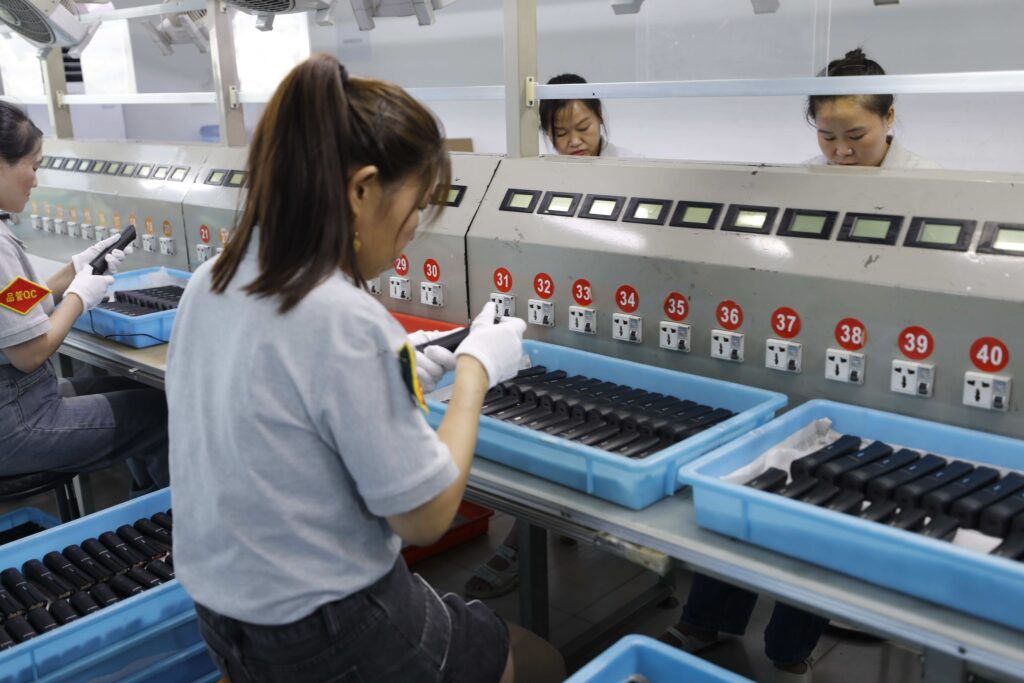
A responsible factory does not only inspect finished products. Quality should be controlled throughout the entire manufacturing process.
Incoming Material Inspection
Before production starts, manufacturers inspect:
- Plastic materials
- Motors
- Batteries
- Electronic components
- Blade parts
Production Inspection
During assembly, quality teams monitor:
- Assembly accuracy
- Electrical performance
- Product appearance
Final Product Testing
Finished products are tested for:
- Charging performance
- Running function
- Noise level
- Cutting performance
- Safety requirements
For international markets, manufacturers also support certifications such as:
- CE
- RoHS
- REACH
- CB
- Other market-specific requirements
Strong quality management helps brands reduce after-sales problems and improve customer satisfaction.
8. Packaging and Global Shipment
The manufacturing process does not end after product assembly.
Professional suppliers also support complete packaging solutions, including:
- Color box design
- User manual
- Accessories packaging
- Master carton design
- Shipping preparation
For brands developing a private label hair clipper, packaging plays an important role in building brand recognition.
Manufacturers can help customize:
- Logo printing
- Product colors
- Packaging style
- Product positioning
A complete supply chain capability allows brands to move from product ideas to market-ready solutions efficiently.
Why Choose an Experienced OEM Hair Clipper Manufacturer?
Choosing the right manufacturing partner is one of the most important decisions for any grooming brand.
An experienced OEM hair clipper manufacturer should provide:
Strong R&D Capability
Including:
- Product design
- Engineering support
- Prototype development
- Customized solutions
Complete Manufacturing Capability
Including:
- Mold development
- Injection molding
- Electronic assembly
- Final production
Reliable Quality Management
Including:
- Material control
- Production inspection
- Product testing
- Certification support
These capabilities help brands create reliable products and build long-term market competitiveness.
About JANTE – Your OEM & ODM Hair Clipper Manufacturing Partner
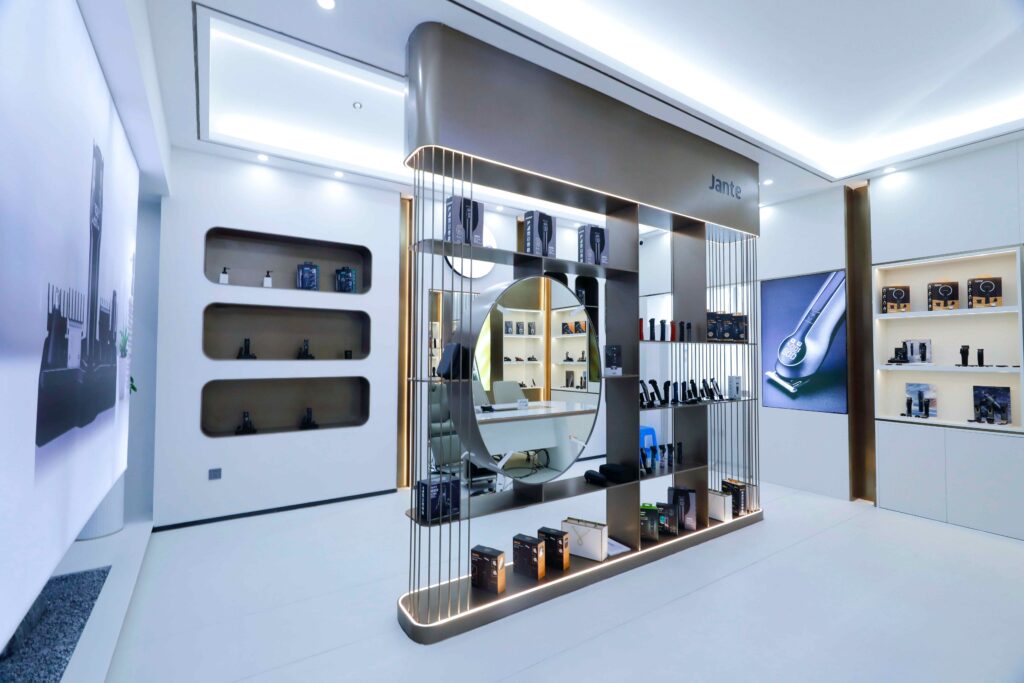
JANTE is an experienced OEM and ODM hair clipper manufacturer in China, specializing in personal grooming appliance development and production.
With more than 16 years of manufacturing experience, we provide complete solutions for global brands, distributors, and retailers.
Our capabilities include:
- Custom hair clipper development
- ODM hair clipper solutions
- Hair trimmer manufacturing
- Private label production
- Injection molding
- SMT electronic assembly
- Quality inspection
- Packaging customization
- Global certification support
From the first product idea to final mass production, our team helps customers develop competitive grooming products for worldwide markets.
Whether you are launching your first private label hair clipper, expanding your product portfolio, or developing a professional barber clipper line, JANTE provides reliable manufacturing support throughout every stage.
Final Thoughts
A professional hair clipper is the result of careful design, precise manufacturing, advanced technology, and strict quality control.
For brands searching for a trusted hair clipper manufacturer, choosing a factory with complete OEM and ODM capabilities is the foundation for creating successful grooming products.
By working with an experienced manufacturing partner, brands can reduce development risks, improve product quality, and bring innovative hair clippers and trimmers to global markets faster.