
A Practical Guide for Brands, Importers & OEM Buyers
Introduction
When sourcing or developing a hair clipper, one of the most frequently asked questions is:
“Should I choose a higher RPM motor?”
At first glance, the answer may seem obvious — higher RPM means faster cutting, and faster must be better. However, in real-world applications, motor speed alone does not determine performance.
To make the right decision for your product line or target market, it’s essential to understand the relationship between RPM, torque, and actual cutting performance.
In this article, we’ll break down the differences between 5000 RPM, 7000 RPM, and 10,000 RPM motors, and help you choose the most suitable option based on your business goals.
1. What Does RPM Actually Mean?
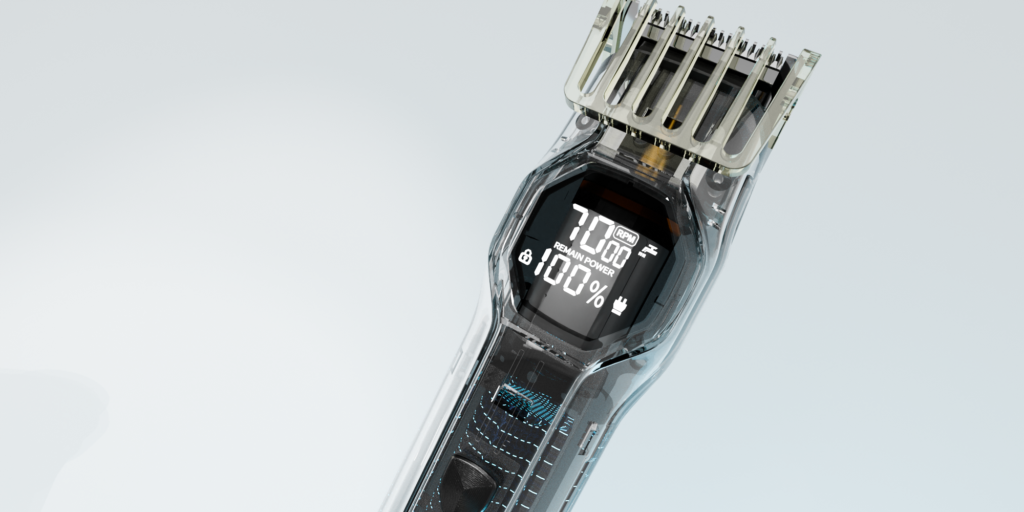
RPM (Revolutions Per Minute) refers to how many times the motor rotates in one minute. In a hair clipper, this directly affects how fast the blade moves back and forth.
- Higher RPM → faster blade movement
- Lower RPM → slower cutting speed
On paper, a higher RPM clipper should cut hair faster and more efficiently. This is why many brands highlight “high-speed motor” as a key selling point.
However, RPM only tells part of the story.
2. Why RPM Alone Is Not Enough
A common misconception in the market is:
“The higher the RPM, the better the clipper.”
In reality, this is not always true.
A hair clipper operates under resistance — especially when cutting thick, coarse, or dense hair. If the motor cannot maintain power under load, even a high RPM rating becomes meaningless.
This is where torque comes into play.
3. Understanding Torque: The Real Key to Performance
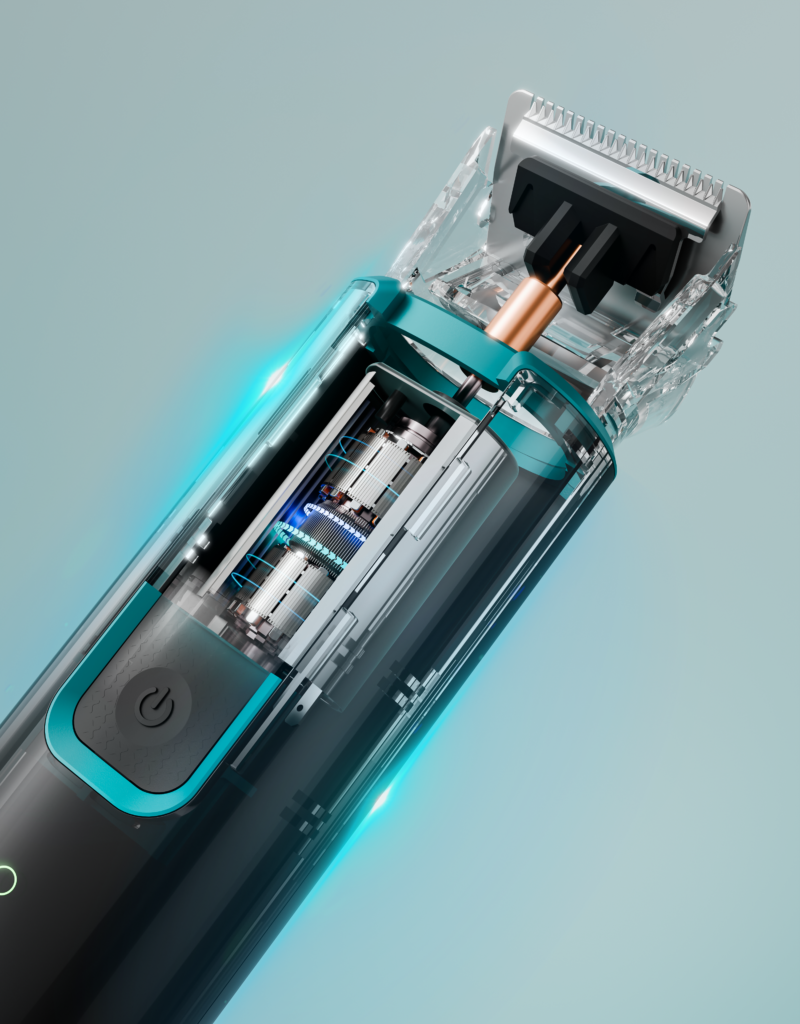
Torque refers to the motor’s ability to generate force and maintain rotation when encountering resistance.
In simple terms:
- RPM = speed
- Torque = strength
A high-performance clipper needs both.
Why torque matters:
- Prevents hair pulling and snagging
- Ensures smooth and consistent cutting
- Maintains performance on thick or wet hair
- Supports longer operation time without slowdown
For example:
A 7000 RPM motor with strong torque can deliver smoother and more reliable performance than a 10,000 RPM motor with weak torque.
This is especially important for:
- Professional barbers
- Users with thick or curly hair
- Markets where durability and performance are key selling points
4. 5000 RPM vs 7000 RPM vs 10,000 RPM: Detailed Comparison
Let’s take a closer look at how these three common motor speeds perform in real applications.
- 5000 RPM – Entry-Level & Basic Home Use
5000 RPM motors are typically used in entry-level or budget-friendly hair clippers.
Advantages:
- Lower noise level
- Lower energy consumption
- Cost-effective for mass production
- Easy to use for beginners
Best suited for:
- Light trimming
- Fine or soft hair
- Occasional home use
Limitations:
- Slower cutting speed
- Less effective on thick or coarse hair
- May require multiple passes
These models are commonly found in price-sensitive markets or as starter products.
B. 7000 RPM – Balanced Performance (Most Versatile Option)
7000 RPM motors represent the sweet spot between speed and torque, making them the most widely used option in the global market.
Advantages:
- Smooth and efficient cutting
- Good balance between power and control
- Suitable for a wide range of hair types
- Stable performance for longer use
Best suited for:
- Home users who want better performance
- Semi-professional use
- E-commerce and retail markets
Why it’s popular:
This category offers the best combination of:
- Performance
- Cost
- Reliability
For most brands, 7000 RPM is the safest and most competitive choice.
C. 10,000 RPM – High-Speed Professional Performance
10,000 RPM motors are designed for high-performance and professional-grade applications.
Advantages:
- Extremely fast cutting speed
- High efficiency for bulk hair removal
- Ideal for thick, dense, or wet hair
Best suited for:
- Professional barbers
- High-end product lines
- Heavy-duty and continuous use
Considerations:
- Higher noise levels
- Increased heat generation
- Greater demand on blade quality and cooling design
- Higher production cost
| RPM | Positioning | Advantages | Best For |
| 5000 | Entry-level | Low noise, cost-effective | Home use |
| 7000 | Mid-range | Balanced performance | Most users |
| 10000 | High-end | Fast & powerful | Professionals |
Without proper torque and blade quality, a high RPM motor may actually reduce user experience instead of improving it.
5. Matching Motor Speed to Your Target Market
Choosing the right motor is not just a technical decision — it’s a business strategy.
Here’s a simple guideline:
A. For Entry-Level Markets
- Focus: affordability and simplicity
- Recommended: 5000 RPM
- Key selling points: low noise, easy use, budget-friendly
B. For Mass Market / Online Sales
- Focus: performance + value
- Recommended: 7000 RPM
- Key selling points: smooth cutting, versatility, reliability
C. For Professional / Premium Segments
- Focus: power and efficiency
- Recommended: 10,000 RPM (with strong torque)
- Key selling points: high speed, professional results, durability
6. Other Factors That Affect Clipper Performance
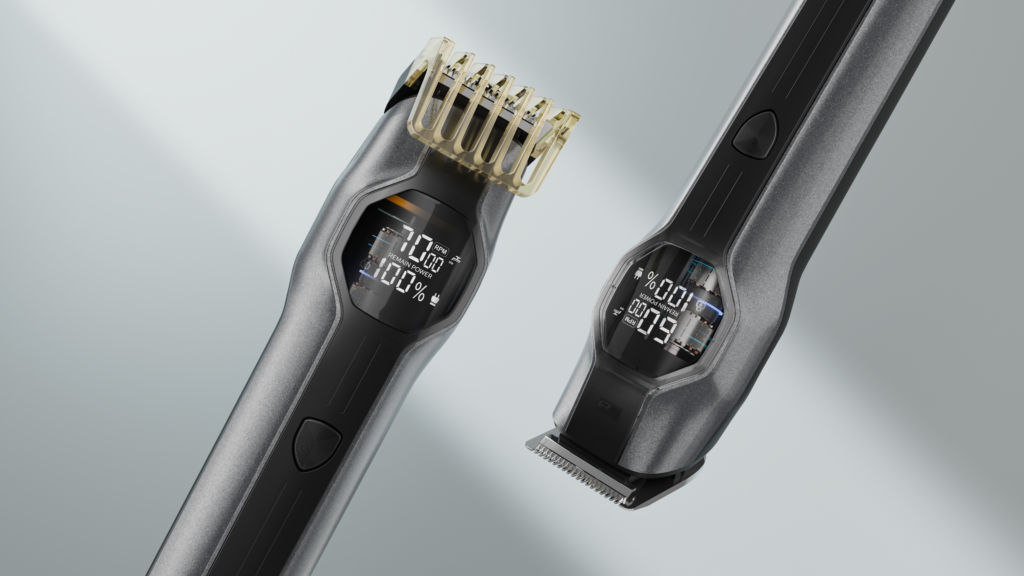
Even with the right motor, overall performance depends on multiple components working together.
A. Blade Quality
- Stainless steel vs ceramic blades
- Sharpness and durability
- Heat resistance
B. Motor Stability
- Consistent power output
- Reduced vibration
- Longer lifespan
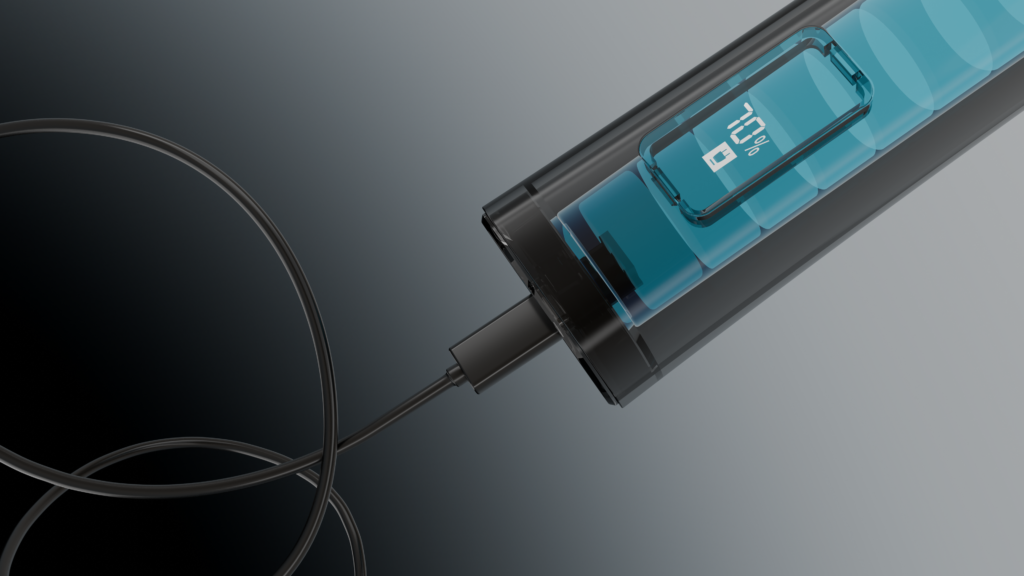
C. Battery System
- Lithium battery capacity
- Runtime (e.g., 120–180 minutes)
- Charging speed (Type-C becoming standard)
D. Noise and Vibration Control
- Important for home users
- Also affects perceived product quality
A high RPM motor without proper system optimization will not deliver the expected results.
7. Common Mistakes Buyers Should Avoid
When sourcing hair clippers, many buyers fall into these traps:
❌ Choosing based only on RPM
❌ Ignoring torque and motor quality
❌ Over-specifying features that don’t match the target market
❌ Focusing on price instead of long-term performance
The result? Products that look good on paper but fail in real use.
8. Final Thoughts: Performance Comes from Balance
In the end, the best hair clipper is not defined by a single number.
It is the result of a well-balanced combination of:
- Motor speed (RPM)
- Torque
- Blade quality
- Overall product design
If you are developing or sourcing a hair clipper, the goal should be:
“Choose the right performance level for the right customer.”
Not simply the highest specification.
Looking for the Right Motor Solution for Your Brand?
As an experienced hair clipper manufacturer, Jante support brands with:
- Multiple motor configurations (5000–10,000 RPM)
- Optimized torque performance for different markets
- Custom OEM & ODM solutions
- Product development tailored to your price positioning
Whether you are launching a new product or upgrading your current lineup, Jante can help you find the right balance between performance, cost, and market demand.